Tile is the most durable floor you can put in a house and the one most often installed badly. The tile itself is close to indestructible. What fails is everything underneath and between it, and that is exactly where quotes differ.
The substrate decides everything
Tile is rigid and does not bend. When whatever it is bonded to moves, something gives — at the grout line or through the tile itself.
So the surface underneath has to be stiff enough not to flex and flat enough that every tile sits in full contact with the adhesive. A tile bridging a dip is supported only at its edges and hollow in the middle, which is precisely how a tile cracks under a dropped pan.
Crack isolation on a slab
Slabs crack. Most of it is ordinary shrinkage rather than a structural concern, but a crack that continues to move will telegraph straight up through tile bonded to it, producing a matching line of cracked tiles months later.
A crack-isolation membrane sits between slab and tile and lets the concrete move underneath without carrying that movement into the floor. Identifying which cracks need it is part of assessing a job, and it is far cheaper than discovering it afterwards.
Waterproofing and movement joints
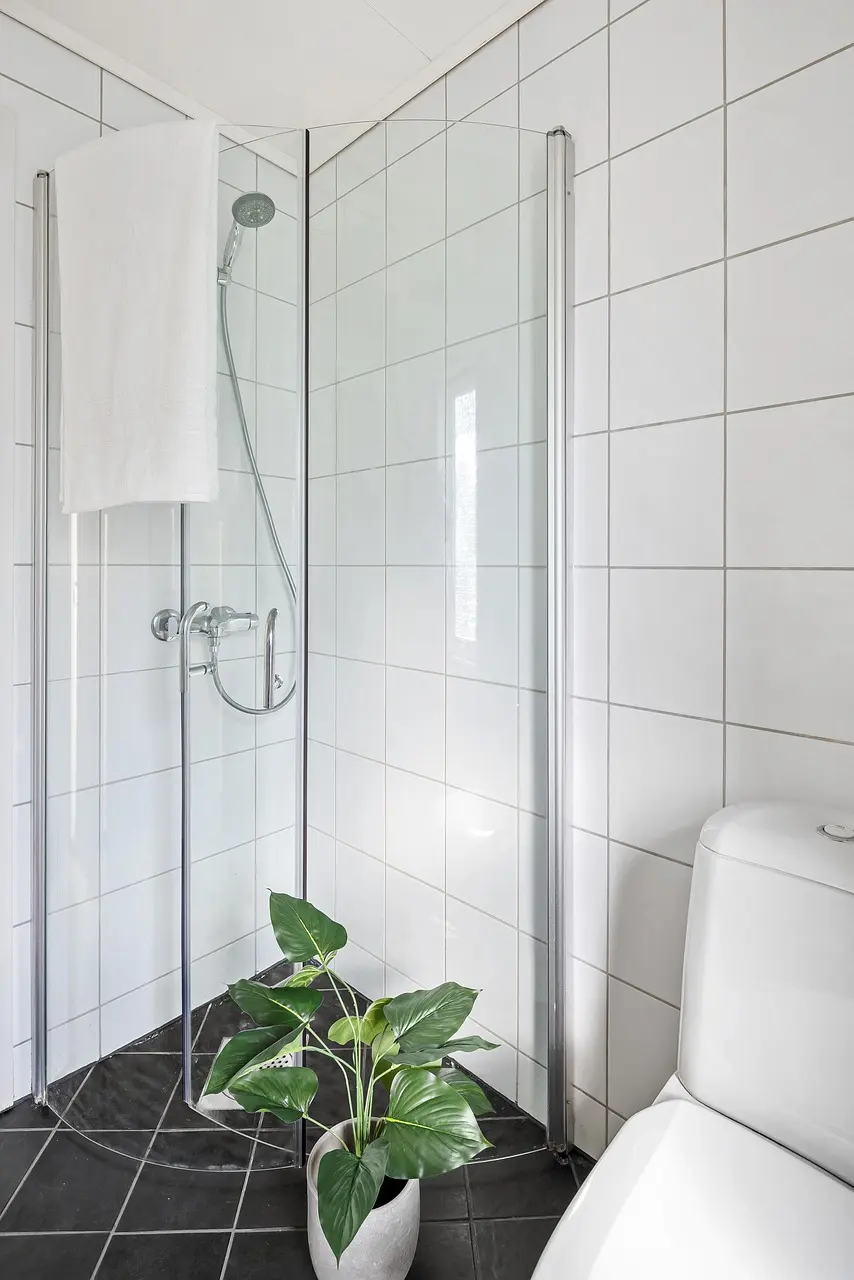
In a shower or a bathroom floor, waterproofing is a separate system behind the tile and it is not optional. Tile and grout are the wearing surface over the membrane that actually keeps water out, and how that membrane is detailed at corners, the curb and the drain is the real job.
Large tiled areas also need movement joints where the floor meets a wall or another material. It is a detail that looks like nothing and it is the reason tiles tent or crack in a straight line across a big floor a year after installation.
Grout, and the joints that must not be grout
Cementitious grout absorbs and needs sealing; epoxy grout does not and costs more. In a kitchen or a family bathroom the upgrade usually pays for itself in how the floor looks after a few years.
Separately, wherever two planes meet — wall to floor, tile to tub, inside corners — the joint should be flexible sealant rather than grout. Those surfaces move independently and rigid grout cracks there every time. Cracked grout in exactly the corners is the signature of a shortcut, and re-grouting produces the same result again.
Three questions before you sign
What is going between the substrate and the tile, how is any wet area being waterproofed, and where are the movement joints. A competent installer answers all three immediately.
A quote silent on all three is not cheaper. It has simply left out the parts that decide whether the floor is still sound in ten years.
Thinking about tile flooring?
Free in-home estimates across Los Alamitos and all of Orange County. We bring the samples to you.